
Apple After Cook
How John Ternus inherits a foldable iPhone launch, an unfinished AI strategy, and a management bench built for someone else's tenure.

Apple After Cook
How John Ternus inherits a foldable iPhone launch, an unfinished AI strategy, and a management bench built for someone else's tenure
Tim Cook ran Apple for fifteen years without ever having to answer the question that now defines his successor's first week: what does Apple actually do in AI?
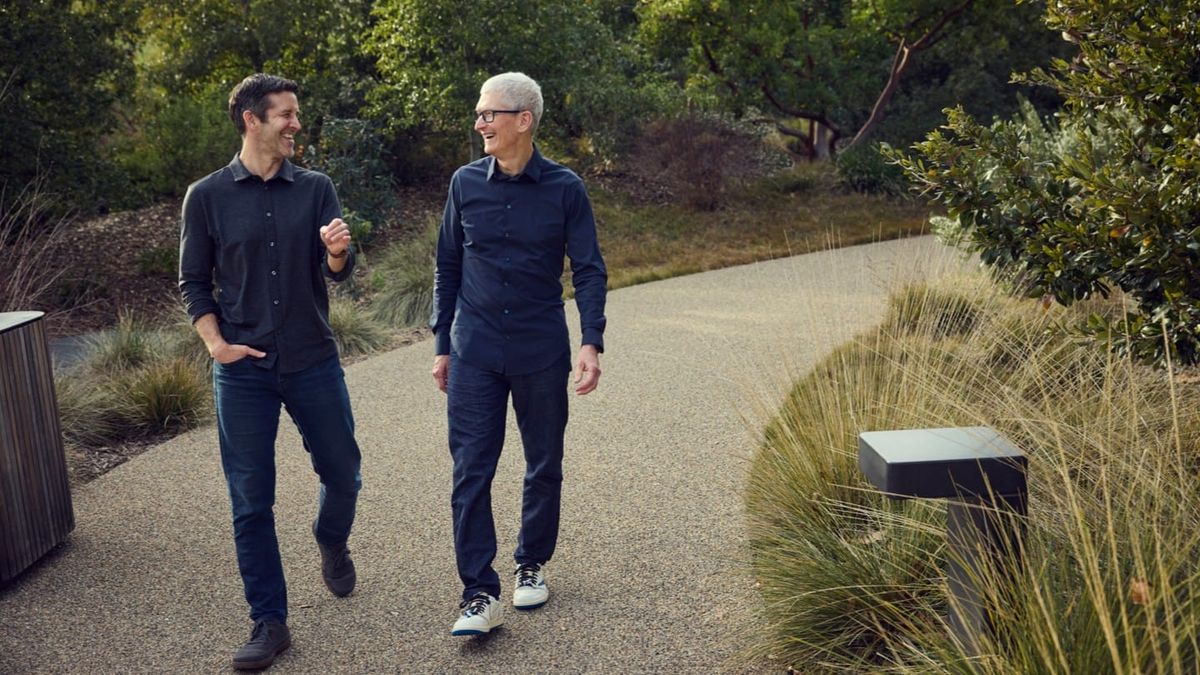
John Ternus became Apple's chief executive on September 1, 2026, as Tim Cook moved into the role of executive chairman, according to Apple's own newsroom announcement. The handoff was telegraphed months in advance, but the timing wasn't accidental: Apple set its next iPhone launch event for September 9, just eight days into Ternus's tenure, and built the event around the company's first foldable iPhone — a product Ternus himself pushed through engineering, according to Bloomberg.
Who is taking over
Ternus spent 25 years at Apple before getting the top job, most recently as senior vice president of hardware engineering, where he oversaw the iPhone, iPad, Mac, Apple Watch, AirPods, and Vision Pro lines. He is, by background, a mechanical engineer, not a strategist, financier, or software executive — a notable departure from Cook's operations-and-supply-chain pedigree and a sharper departure still from Steve Jobs's product-and-marketing instincts. CNBC reported that Ternus doubted whether he was the right fit when the board first approached him.
Cook's new role, according to Apple, includes "engaging with policymakers around the world" — a signal that the company still wants its most experienced diplomat handling Washington, Brussels, and Beijing while its most experienced product engineer runs the building.
The three problems waiting on his desk
The most immediate is AI. CNBC framed it directly: fixing Apple's AI strategy is Ternus's defining early challenge, after Siri's promised overhaul slipped repeatedly under Cook and rivals shipped agentic assistants years ahead of Apple's own. Apple has the distribution — over a billion iPhones in active use — but distribution without a competitive product just means more people notice the gap.
The second is the management bench. According to Bloomberg's Mark Gurman, several long-tenured executives are approaching the end of their runs — including Deirdre O'Brien, who has run retail and people operations after nearly 40 years at the company. Ternus doesn't just need his own team; he needs to decide, one departure at a time, whether to promote Cook-era loyalists or bring in outsiders who owe him nothing.
The third is the foldable iPhone itself, expected to be branded iPhone Ultra alongside the iPhone 18 Pro line and a new 2-nanometer A20 Pro chip, according to CNN and Fool.com. It's a genuinely new form factor for Apple's flagship product, launched under a CEO with zero quarters of track record. If it sells, Ternus gets credit for a bet made under Cook. If it stumbles — supply constraints, hinge durability complaints, a price that doesn't match the category-defining premium Apple usually commands — it becomes his failure on day nine.
For Apple's leadership bench
Every senior executive at Apple just watched an engineer, not a Cook loyalist from finance or operations, get the job. That reshuffles the internal calculus for anyone eyeing the next tier down. Expect quieter departures and lateral moves over the next 12–18 months as executives who bet on a different succession path recalibrate.
For investors
Wall Street has priced Apple as a stable, cash-generative hardware franchise for years, largely because Cook's operational discipline made the stock a low-volatility bet within Big Tech. A first-time CEO making his public debut with a brand-new product category is a different risk profile, even if the underlying company hasn't changed. The September 9 event will be read by investors less as a product launch and more as an early referendum on Ternus's judgment.
For competitors
Google, Samsung, and Amazon have spent the past two years shipping AI assistants and, in Samsung's case, foldables, while Apple iterated cautiously. A distracted transition year — new CEO, new management team, a debut hardware category, and an AI strategy still being rebuilt — is exactly the kind of opening rivals look for. None of them can match Apple's install base, but all of them can use a slower Apple to pull ahead on features that increasingly define the smartphone category.
The pattern
Successions at companies this large rarely fail because the new leader lacks competence. They fail when too many high-variance bets land in the same eighteen-month window — a new strategy, a new team, and a new product, all unproven simultaneously. Ternus inherited a company in excellent financial health and a to-do list built for someone with far more runway than a week in the job affords.
The hardest part of following a legend isn't matching their record. It's deciding which parts of it to keep.
Frequently Asked Questions
When did John Ternus become Apple's CEO?
Ternus took over as Apple's chief executive on September 1, 2026, with Tim Cook moving to the role of executive chairman after fifteen years leading the company, according to Apple's newsroom announcement.
What is John Ternus's background?
Ternus is a mechanical engineer who spent 25 years at Apple, most recently as senior vice president of hardware engineering overseeing the iPhone, iPad, Mac, Apple Watch, AirPods, and Vision Pro product lines, according to CNBC.
What is Apple launching at its September 9 event?
Apple is expected to unveil the iPhone 18 Pro and Pro Max alongside its first foldable iPhone, reportedly branded iPhone Ultra, powered by a new 2-nanometer A20 Pro chip, according to CNN and Fool.com.
What is Tim Cook's new role at Apple?
Cook has become executive chairman of Apple's board, a role in which the company says he will assist with select initiatives, including engaging with policymakers globally, while stepping back from day-to-day operational leadership.
Editor's note — sources: Additional reporting reviewed: Bloomberg management team newsletter, BusinessToday, MacDailyNews.