
Top 7 Humanoid Robotics Companies in 2026

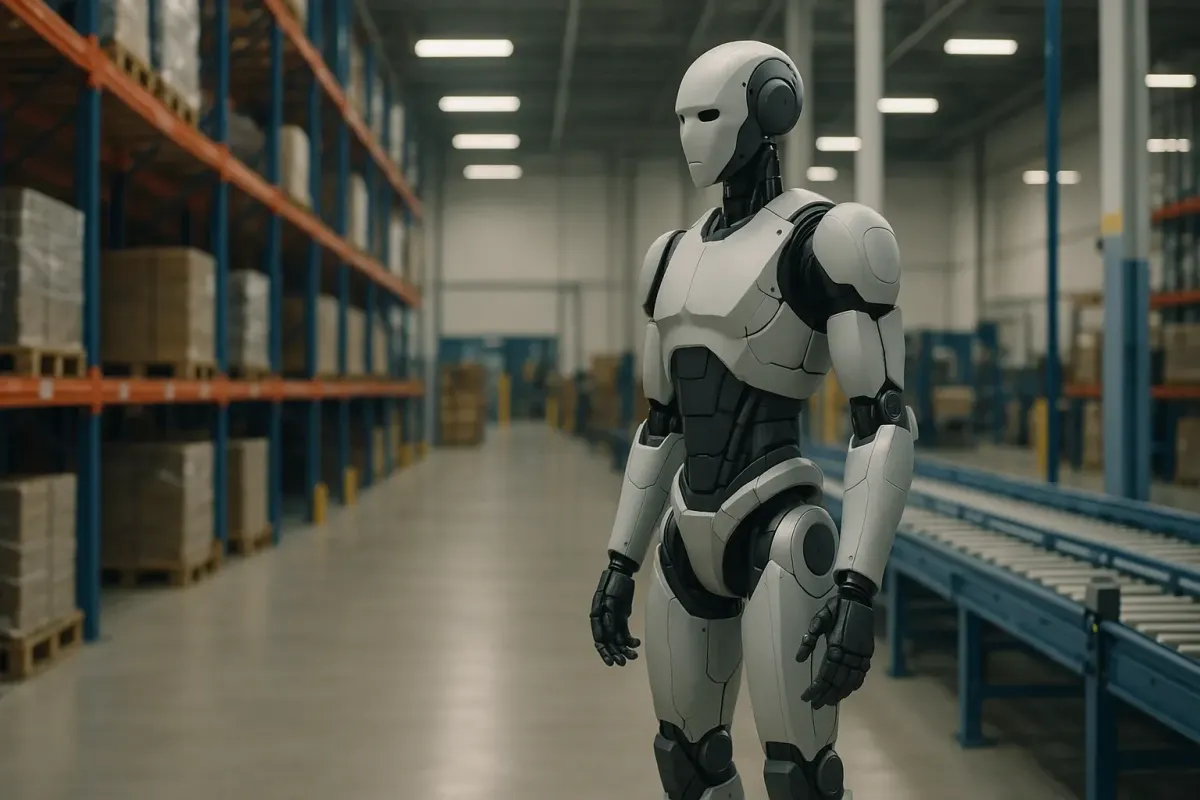
Humanoid robots stopped being a research demo sometime in the last two years — several are now working paid shifts in real warehouses and factories, and one just had one of the biggest first-day stock pops of 2026.
The humanoid robotics category spans very different bets: some companies are building enterprise-grade machines for warehouses and factory floors, others are chasing the home-robot market, and one is a car company betting its manufacturing scale can out-produce dedicated robotics startups. Funding has poured into the category through 2025 and 2026, several companies have gone or are going public, and the gap between "impressive demo video" and "robot doing a paid shift" is closing for a handful of players while remaining wide for others. This roundup compares seven of the most notable humanoid robotics companies as of September 2026, ranked on verifiable deployment evidence, funding stability, and platform maturity.
How we picked these
We favored companies with a shipping or field-tested physical product over those still limited to demo footage, and we prioritized verifiable deployment signals — named customers, pilot programs, or commercial shipments — over funding size alone. We included a mix of enterprise/industrial players and consumer-facing ones because the category is genuinely split between those markets. Ranking reflects our own assessment of deployment maturity and platform credibility as of September 2026. We did not accept payment or in-kind consideration from any company in this article, and no vendor reviewed this list before publication.
Quick comparison
| Company | Best for | Deployment | Pricing model |
|---|---|---|---|
| Boston Dynamics | Enterprise material handling with proven fleet software | Enterprise sales, early commercial deployment | Custom enterprise contracts |
| Figure AI | General-purpose humanoid work in industrial and eventually home settings | Manufacturing partnerships, limited deployment | Not published |
| Agility Robotics | Proven, named commercial deployments in logistics today | Commercial deployment at named customers | Custom enterprise contracts |
| Apptronik | Enterprises wanting a heavily backed platform with big-name partners | Pilot and early commercial deployment | Custom enterprise contracts |
| Tesla (Optimus) | Buyers betting on Tesla's manufacturing scale over near-term proof | Internal use, not yet independently verified externally | Not published |
| Unitree Robotics | Developers, researchers, and budget-conscious buyers | Direct purchase, publicly traded (Shanghai STAR Market) | Published unit pricing (from $13,500) |
| 1X Technologies | Consumers wanting an early home humanoid | Consumer pre-order, early shipments starting 2026 | $20,000 early access or $499/month subscription |
1. Boston Dynamics
Best for: enterprises that want a humanoid backed by decades of dynamic-robotics engineering and fleet-management software.
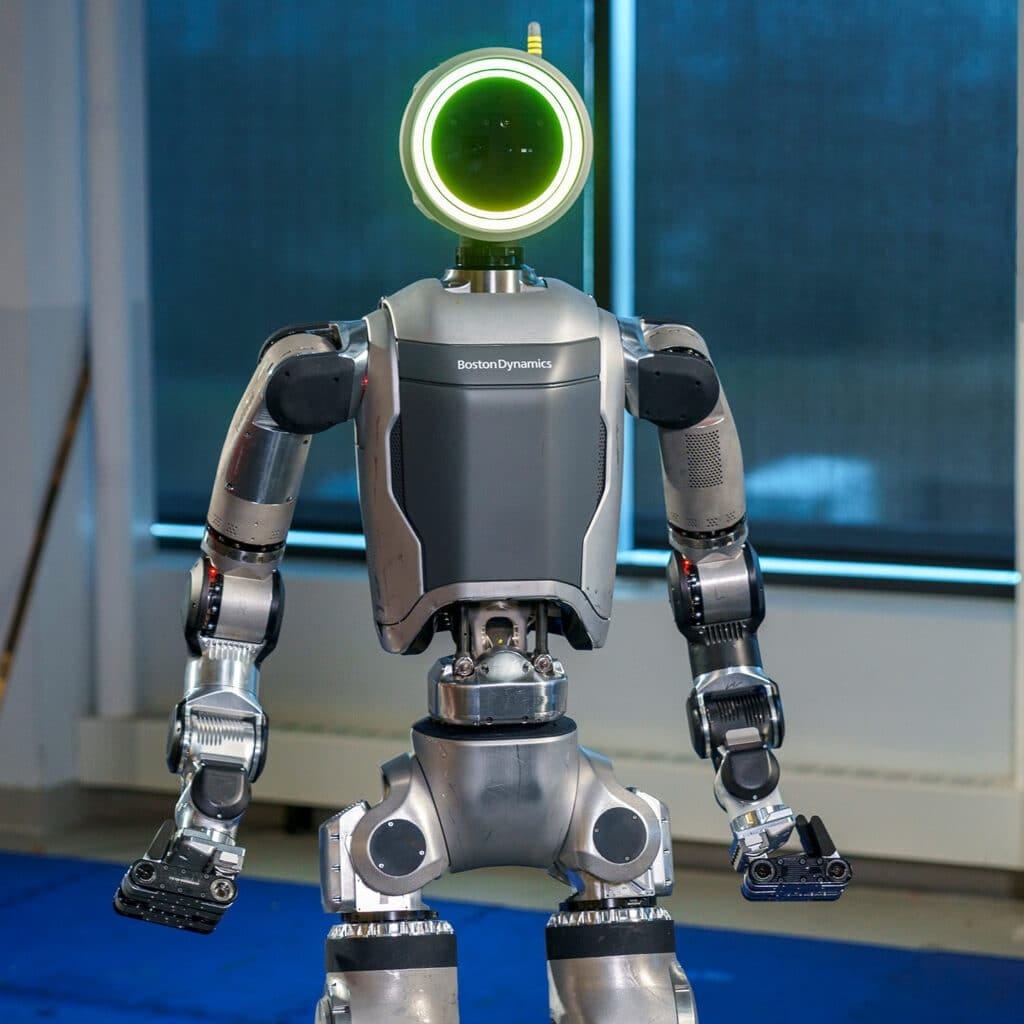
Boston Dynamics, owned by Hyundai Motor Group, unveiled a fully electric version of its long-running Atlas research robot and has since positioned it as an "enterprise-grade, industrial humanoid" built for material handling. Atlas pairs with Orbit, Boston Dynamics' fleet-management software that connects robots to warehouse and manufacturing systems (MES, WMS) and lets skills learned on one robot roll out across a fleet. The company has run early customer pilots, including field testing with Hyundai on part-sequencing tasks, and has published a detailed spec sheet covering battery life, payload, and reach. Boston Dynamics has more real-world legged-robot deployment history than nearly any competitor here, through its existing Spot quadruped business, but Atlas itself remains earlier in its commercial rollout than that track record might suggest.
Pros:
- Decades of legged-robotics engineering experience, carried over from Spot's already-commercial deployment base
- Orbit fleet software provides a genuine path to scaling skills across many robots rather than training each one individually
- Hyundai ownership provides deep-pocketed, strategically aligned backing
- Published technical specifications (battery life, payload, reach) rather than vague claims
Cons:
- Atlas's commercial rollout is still in early pilot stages, with Boston Dynamics itself describing customer engagement as starting with "a select number of early adopters"
- 4-hour battery life is on the shorter end for a full industrial shift
- No published pricing, requiring a direct sales conversation
- Long history of research demos that didn't become commercial products may make some buyers want to see sustained deployment volume before committing
2. Figure AI
Best for: companies wanting a general-purpose humanoid with an integrated AI model built specifically for whole-body autonomy.
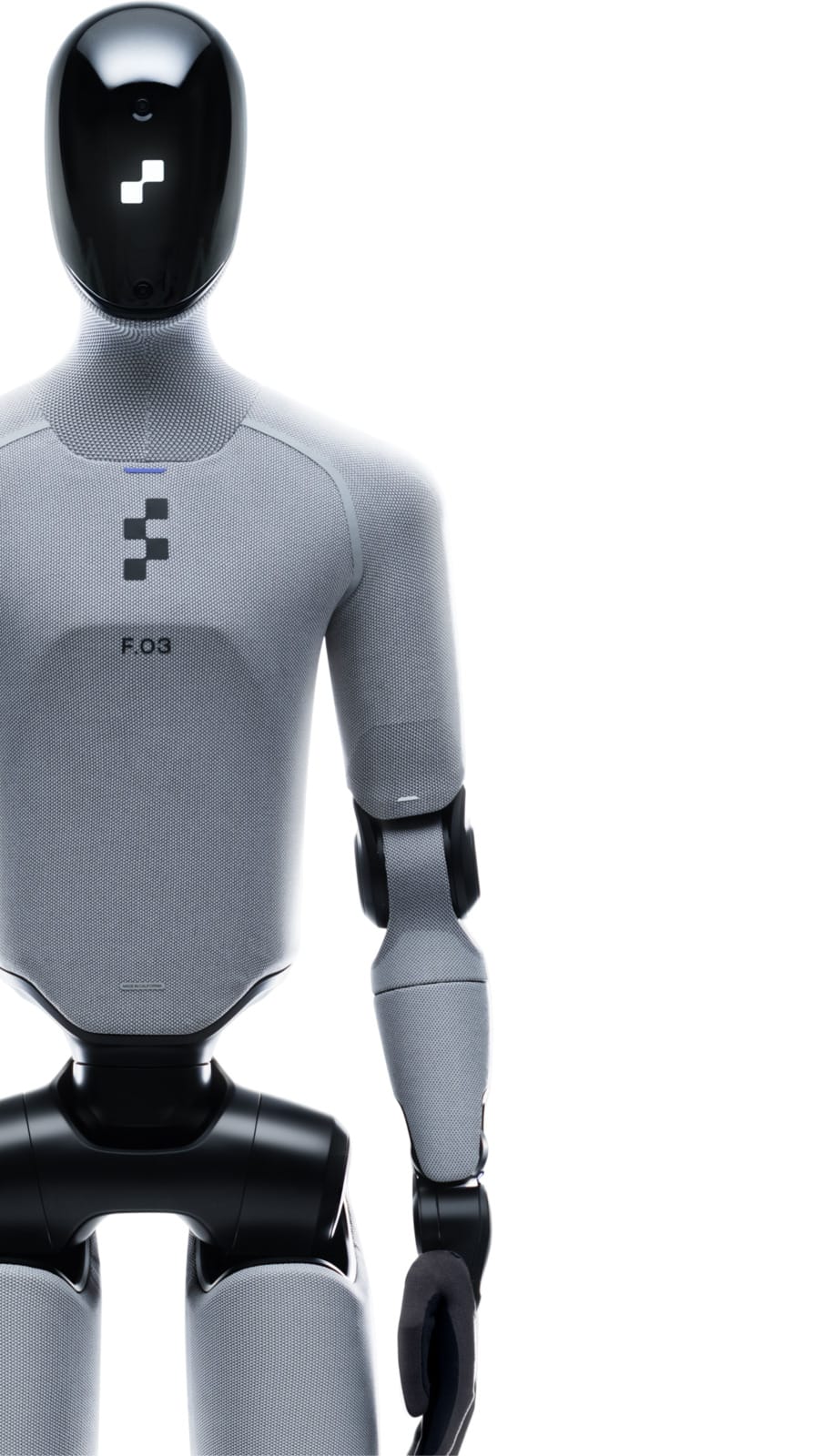
Figure AI's current robot, Figure 03, is built around Helix, the company's vision-language-action model for full-body autonomy, and the company has begun ramping production at its own manufacturing facility, BotQ. Figure has stated that its F.03 units have arrived at BMW, one of the more concrete third-party deployment signals in the category, and the company frames its robot as targeting both industrial work and, eventually, household tasks. Figure has attracted a large, experienced robotics and AI team, according to its own company materials, though independent verification of team composition is limited to what the company discloses.
Pros:
- Named deployment signal (F.03 units at BMW) rather than only demo footage
- In-house AI model (Helix) built specifically for humanoid whole-body control, rather than relying solely on third-party foundation models
- Own manufacturing facility (BotQ) aimed at scaling production rather than one-off prototypes
- Dual-market ambition (industrial now, home later) gives it optionality if one market moves faster than the other
Cons:
- Deployment scale at BMW and other named partners has not been independently quantified in unit counts or hours worked
- No published pricing or self-serve path — engagement is enterprise/partnership-led
- Team-experience claims ("over 100 years of combined AI & humanoid experience") come from company materials rather than independently audited sources
- 5-hour runtime and 20kg payload put it in the middle of the pack on raw specs compared with some industrial-first competitors
3. Agility Robotics
Best for: logistics and warehouse operators who want the most commercially proven deployment track record in this list today.
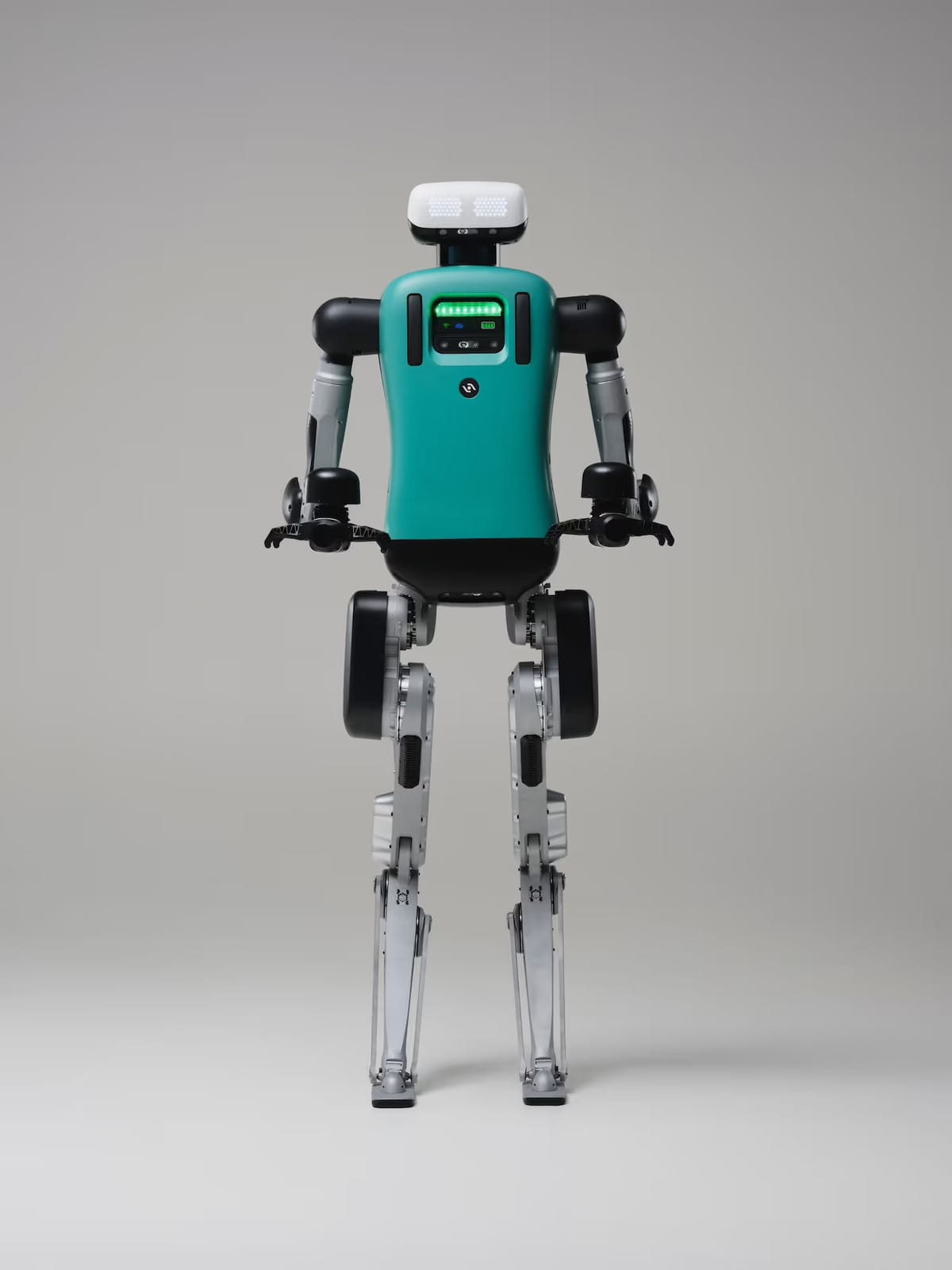
Agility Robotics's Digit robot is, by the company's own account and by named customer logos on its site, already working in production environments with Schaeffler, Mercado Libre, Toyota Motor Manufacturing Canada, GXO, and Amazon. Agility describes Digit as "the first human-centric, multi-purpose robot made for logistics work," pairs it with the Arc cloud platform for fleet operations, and has over a decade of legged-robotics history behind the current product (Agility traces its lineage to Oregon State University spin-out research). In 2026, Agility announced plans to go public through a merger with Churchill Capital Corp XI, a special-purpose acquisition company, which would give outside investors direct visibility into the company's financials for the first time.
Pros:
- Multiple named commercial customers (Amazon, GXO, Toyota, Mercado Libre, Schaeffler) — the most concrete deployment evidence among industrial humanoid makers in this list
- Over a decade of legged-robot engineering history predating the current humanoid wave
- Arc cloud platform gives a specific answer to fleet management, not just a standalone robot
- Pending SPAC merger, once complete, would bring public-company financial disclosure
Cons:
- SPAC mergers carry their own execution and dilution risk, and the deal was not yet complete as of this writing
- No published unit pricing; engagement is enterprise sales-led ("Deploy Digit" contact flow)
- Customer logos on Agility's own site are not accompanied by independently verified deployment scale (robot counts, uptime, or ROI figures)
4. Apptronik
Best for: enterprises that want a heavily capitalized platform with credible AI and industrial partners already in place.
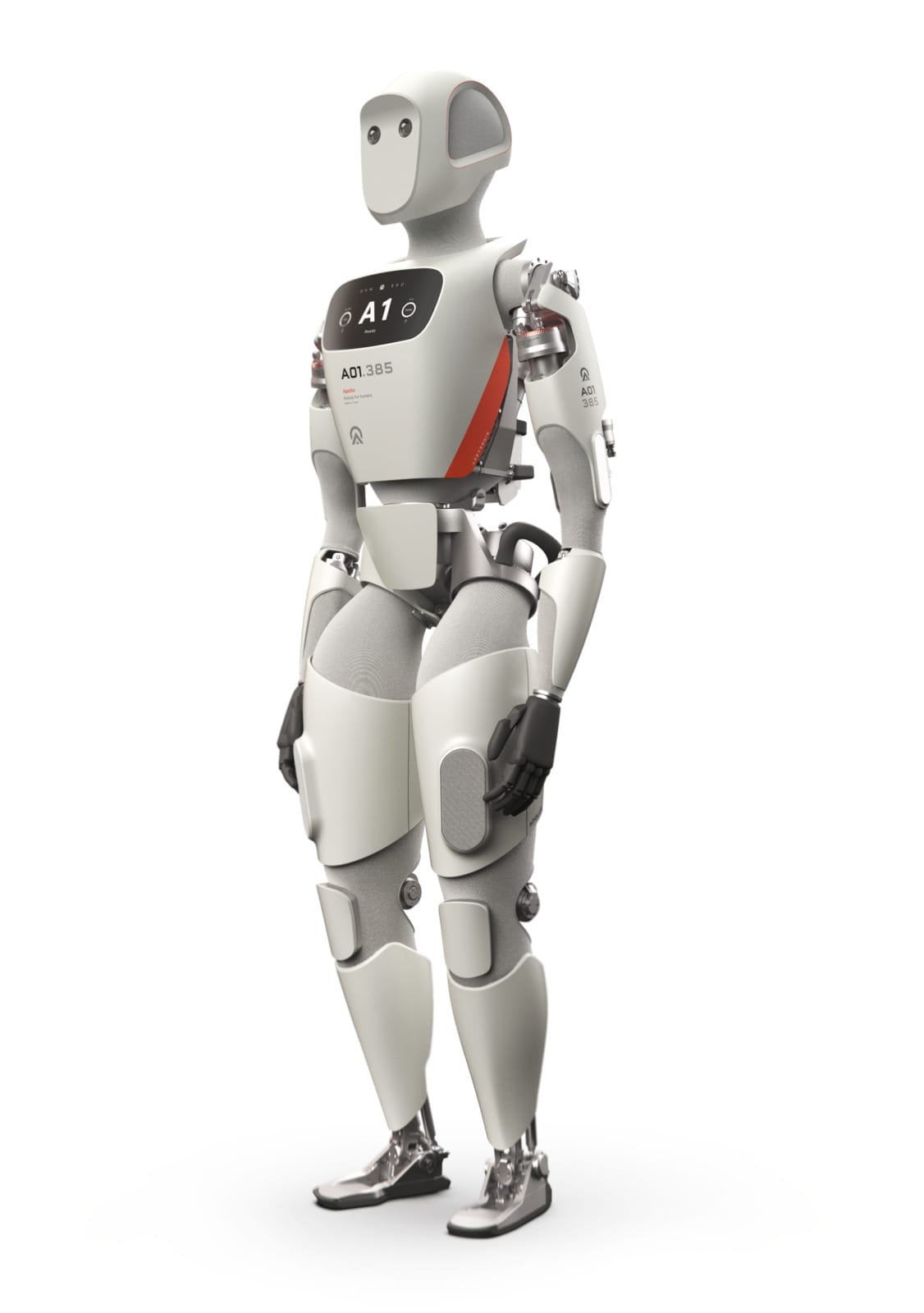
Apptronik's Apollo 2 is a modular humanoid platform offering both bipedal and wheeled-base configurations, paired with the company's Artemis software stack and Fleet Connect management tools. Apptronik has disclosed some of the largest funding figures in the category: an initial Series A of more than $415 million in 2025, followed by a $520 million Series A-X extension round in February 2026 at a $5 billion valuation, per CNBC, bringing its total Series A funding to more than $935 million. The company has named partnerships with Google DeepMind on Gemini Robotics, and with Mercedes-Benz and GXO Logistics on field testing, and traces its engineering roots back to NASA's Valkyrie robot program dating to 2017.
Pros:
- One of the largest disclosed capital raises in the category (more than $935 million in total Series A funding as of February 2026), reducing near-term funding risk
- Named partnerships with Google DeepMind, Mercedes-Benz, and GXO Logistics provide some third-party validation
- Modular bipedal/wheeled design gives customers flexibility to match mobility type to the task
- Engineering lineage traces back to NASA's Valkyrie program, predating most competitors' founding
Cons:
- Despite the large raise, Apptronik has not disclosed unit-level deployment numbers comparable to Agility's named-customer list
- No published pricing; enterprise sales-led engagement only
- Large valuation ($5 billion per the February 2026 round) sets a high bar for the company to eventually justify with commercial revenue
5. Tesla (Optimus)
Best for: buyers willing to bet on Tesla's manufacturing scale and vertical integration over near-term independent proof of deployment.
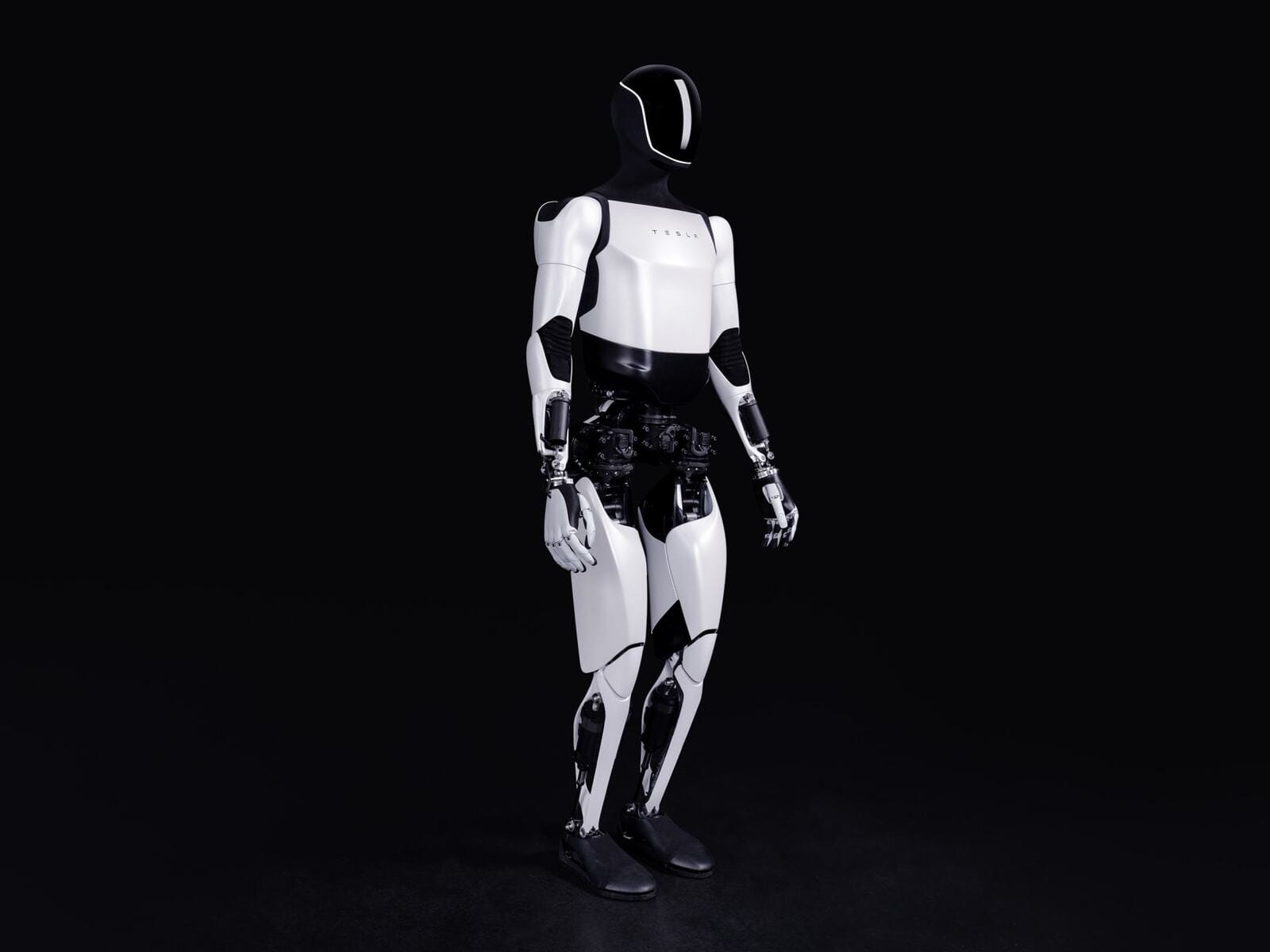
Tesla describes its goal for Optimus as building "a general purpose, bi-pedal, autonomous humanoid robot capable of performing unsafe, repetitive or boring tasks," and the company has said it intends to apply the batteries, motors, and AI inference hardware it already builds for its cars to the robot. Tesla has hosted public events (including a December 2025 showcase at its Miami Design District showroom) demonstrating Optimus capabilities, and CEO Elon Musk has stated he expects the robot business to eventually be more significant than Tesla's car business. As of this writing, Tesla has not published independently verifiable third-party deployment data for Optimus comparable to the named-customer disclosures from Agility Robotics or Apptronik.
Pros:
- Tesla's existing battery, motor, and AI-inference-chip manufacturing base is a genuine, verifiable asset that could support unusually large production scale if applied to Optimus
- Substantial internal capital and engineering resources relative to pure robotics startups
- High public visibility and frequent public demonstrations of progress
Cons:
- No published, independently verifiable third-party commercial deployment data, unlike Agility Robotics or Figure AI's named-partner disclosures
- Tesla's own public statements about Optimus timelines have shifted over multiple years since the project's 2021 announcement
- No published consumer or enterprise pricing as of this writing
- Tesla's core business is automotive, not robotics, which raises the question of how much sustained engineering priority Optimus receives relative to Tesla's vehicle and energy lines
6. Unitree Robotics
Best for: developers, researchers, and budget-conscious buyers who want a publicly available humanoid platform to build on.
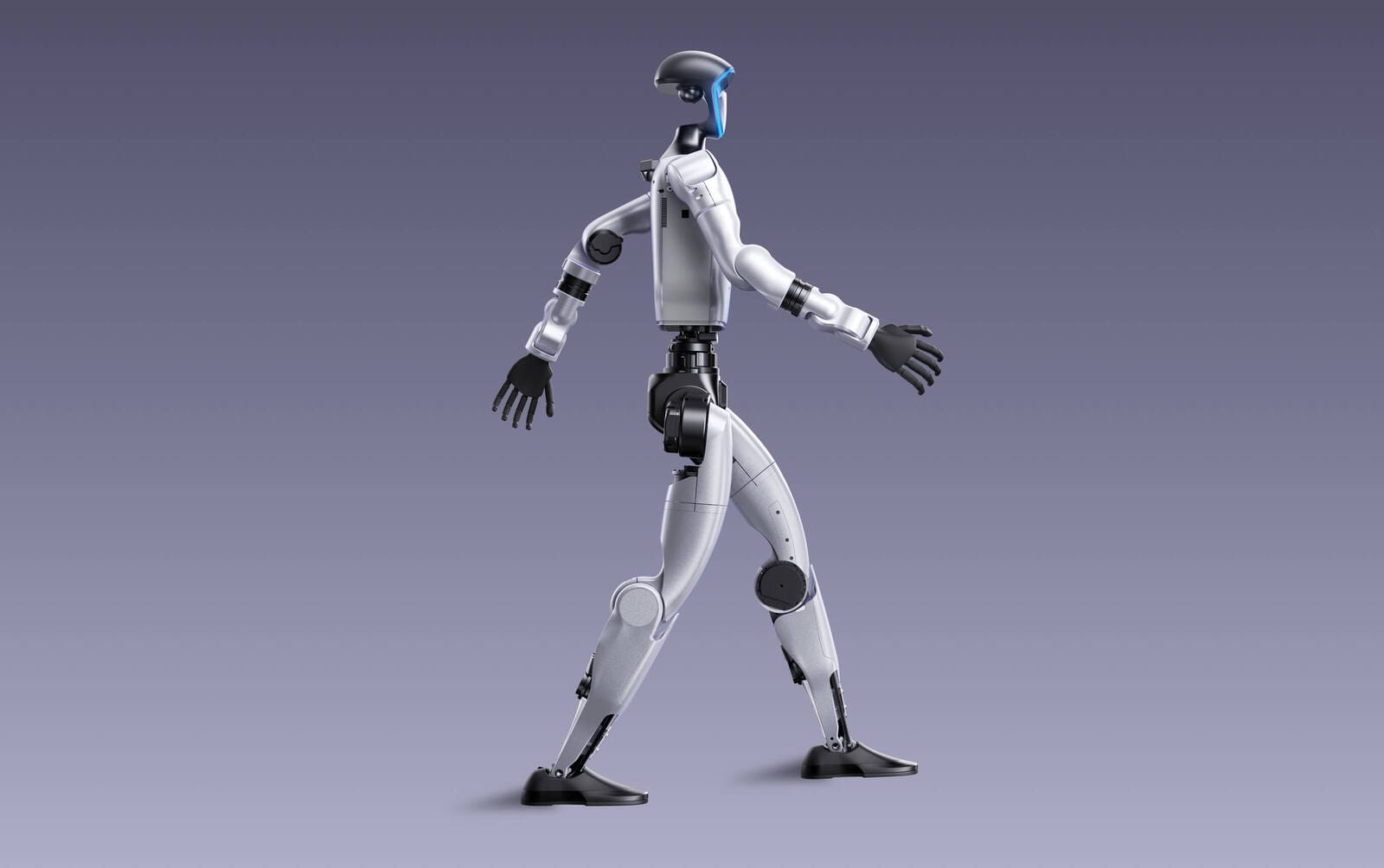
Unitree Robotics, a Hangzhou-based company originally known for its quadruped "robot dog" line, sells the G1 humanoid directly with published pricing starting at $13,500 — dramatically below the enterprise-contract model most competitors in this list use. In August 2026, Unitree went public on Shanghai's STAR Market, raising about $905 million in its IPO; shares closed roughly 460% above the IPO price on the first day of trading, having briefly traded as high as nearly 630% intraday, according to CNBC, giving the company a valuation of roughly $66 billion. The IPO was reportedly oversubscribed more than 8,000 times, a record for the STAR Market, with backing from Chinese AI firm DeepSeek. The G1 is positioned more as a flexible research and development platform, with 23 to 43 joint motors depending on configuration, than as a turnkey enterprise deployment like Atlas or Digit.
Pros:
- Published, transparent unit pricing (from $13,500) — the only company in this list selling a humanoid at a fixed, publicly listed price
- Now a publicly traded company (Shanghai STAR Market), providing financial disclosure competitors don't offer
- Deep in-house hardware and motor manufacturing experience carried over from its quadruped robot line
- Extremely strong investor demand at IPO (8,000x oversubscription) signals significant market confidence
Cons:
- Short battery life (about 2 hours) relative to the industrial-shift-length runtimes some competitors target
- Positioned more as a developer/research platform than a turnkey enterprise solution with fleet-management software comparable to Orbit or Arc
- A near-630% single-day valuation swing reflects speculative retail enthusiasm as much as fundamentals, and such volatility can cut both ways for a newly public stock
- 8-month standard warranty on the base G1 model is short relative to industrial-equipment norms
7. 1X Technologies
Best for: consumers who want to be among the first to bring a humanoid robot into their home.

1X Technologies, a Norwegian-American company led by CEO Bernt Børnich, launched NEO in October 2025 as what it calls "the world's first consumer-ready humanoid robot designed to transform life at home." NEO is built around 1X's patented Tendon Drive actuation system, weighs about 66 pounds, and is designed to handle household chores like laundry folding and tidying, with a built-in large language model for conversational interaction. The company offers two purchase paths: a $20,000 early-access unit with priority delivery in 2026, or a $499-per-month subscription for later shipment. 1X says it will begin delivering NEO primarily in the United States in 2026 and expand to other markets in 2027 — meaning as of this writing, the product is in its earliest consumer rollout stage rather than at scale.
Pros:
- Only company in this list building specifically for the home market rather than industrial deployment, a genuinely different and less crowded segment
- Published, transparent consumer pricing for both purchase and subscription models
- Patented Tendon Drive actuation is specifically engineered for the gentleness and safety a home environment requires, rather than industrial-grade strength
- Built-in LLM-based conversational interaction is a differentiated feature versus industrial-focused competitors
Cons:
- As the newest product to reach any customers, NEO has the shortest real-world track record of any company in this list
- 2-hour-class battery life and home-safe design mean lower payload capacity (roughly 150 lbs lift, 55 lbs carry) than industrial competitors built for warehouse-grade lifting
- $20,000 early-access price or $499/month subscription is a significant consumer purchase with no long-term reliability data yet available
- Company explicitly states some chores still require a live "1X Expert" to remotely guide the robot, meaning full autonomy for novel tasks is not yet complete
How to choose
If you're an enterprise buyer who wants the most commercially proven deployment today, Agility Robotics' named customer list (Amazon, GXO, Toyota, Mercado Libre, Schaeffler) is the strongest evidence in this category. If you want a platform backed by the deepest legged-robotics engineering history and fleet software, Boston Dynamics' Atlas and Orbit combination is worth a serious look, even though its commercial rollout is earlier-stage. Figure AI and Apptronik are both well-capitalized bets with named industrial partners (BMW for Figure; Google DeepMind, Mercedes-Benz, and GXO for Apptronik) that are worth evaluating if you want exposure to a heavily backed platform without needing the most mature deployment today. Tesla's Optimus is best understood as a long-term bet on manufacturing scale rather than a near-term proven deployment. Developers, researchers, and cost-sensitive buyers who want a purchasable, publicly priced platform should look at Unitree's G1. And consumers curious about home robotics, with the budget and risk tolerance for an early-stage product, are the clear audience for 1X's NEO.
Frequently Asked Questions
Which humanoid robotics company has the most proven commercial deployment as of 2026?
Agility Robotics has the most concrete, named commercial deployment evidence among industrial humanoid makers, with customers including Amazon, GXO, Toyota Motor Manufacturing Canada, Mercado Libre, and Schaeffler publicly listed on its own site.
Why did Unitree's stock rise so sharply on its Shanghai IPO debut?
Unitree's IPO was oversubscribed more than 8,000 times, a record for Shanghai's STAR Market, and shares closed roughly 460% above the IPO price on debut day, having briefly traded nearly 630% higher intraday, according to CNBC. That level of demand reflects strong investor enthusiasm for humanoid robotics broadly, not necessarily a specific verified revenue milestone.
Is Tesla's Optimus further along than dedicated robotics startups like Figure AI or Agility Robotics?
Not based on publicly available evidence. Tesla has strong manufacturing and AI-hardware assets to draw on, but as of this writing it has not published independently verifiable third-party commercial deployment data comparable to Agility's named customers or Figure's BMW deployment.
What's the practical difference between an industrial humanoid like Digit and a home robot like NEO?
Industrial humanoids like Digit and Atlas are built for warehouse and factory environments, with higher payload capacity, longer duty cycles, and fleet-management software for coordinating many robots. Home robots like NEO are designed to be lighter, quieter, and gentler, prioritizing safety around people over raw lifting capacity.
How current is the funding and deployment information in this article?
All funding, IPO, and partnership figures cited here are current as of September 2026 and sourced from company announcements or reputable press coverage as noted in the Editor's note below. Deployment scale (robot counts, uptime) is rarely disclosed publicly by any company in this category, so treat named customers as evidence of a relationship rather than a measure of scale.
Editor's note — sources: Company product pages for Boston Dynamics (Atlas), Figure AI, Agility Robotics, Apptronik (Apollo 2), Tesla (AI & Robotics), Unitree Robotics (G1), and 1X Technologies (NEO); reporting from CNBC on Apptronik's February 2026 $520 million Series A-X extension round and $5 billion valuation, and on Unitree Robotics' August 2026 Shanghai IPO debut; Bloomberg and Yahoo Finance reporting corroborating Unitree's IPO figures; TechCrunch's original 2023 coverage of Apptronik's Apollo unveiling; Agility Robotics' own press releases on its proposed merger with Churchill Capital Corp XI.